
Loading
Curated predictions from the live tomorrowread feed — ranked by confidence and impact across 43 countries and 409 domains in the past 24 hours.
The conflict is disrupting aviation and threatening commercial shipping near a vital regional corridor, while India is directly affected by the seafarer’s death.
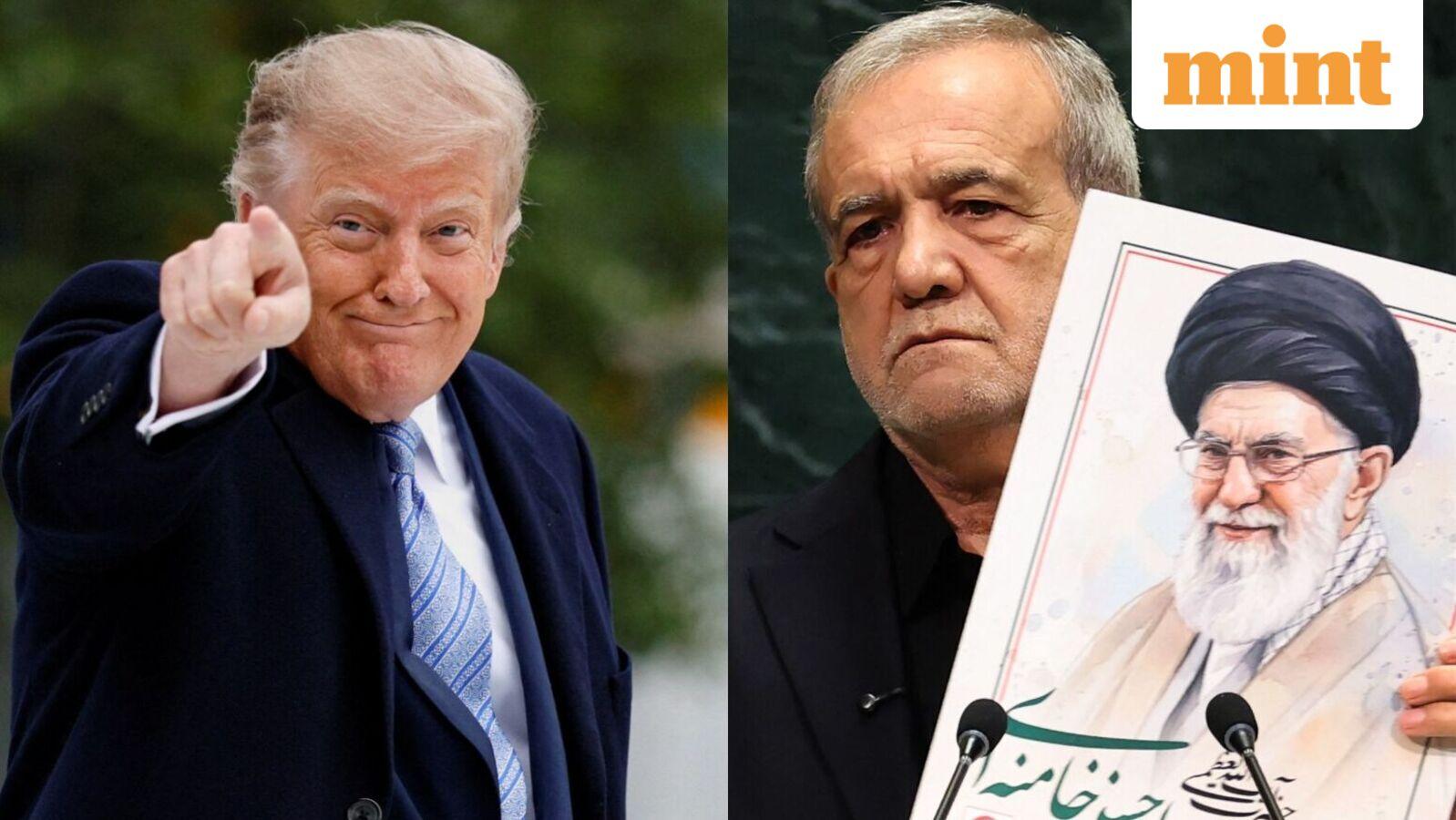
Prolonged losses could intensify pressure on fuel pricing, public-sector balance sheets and the government’s ability to shield consumers.
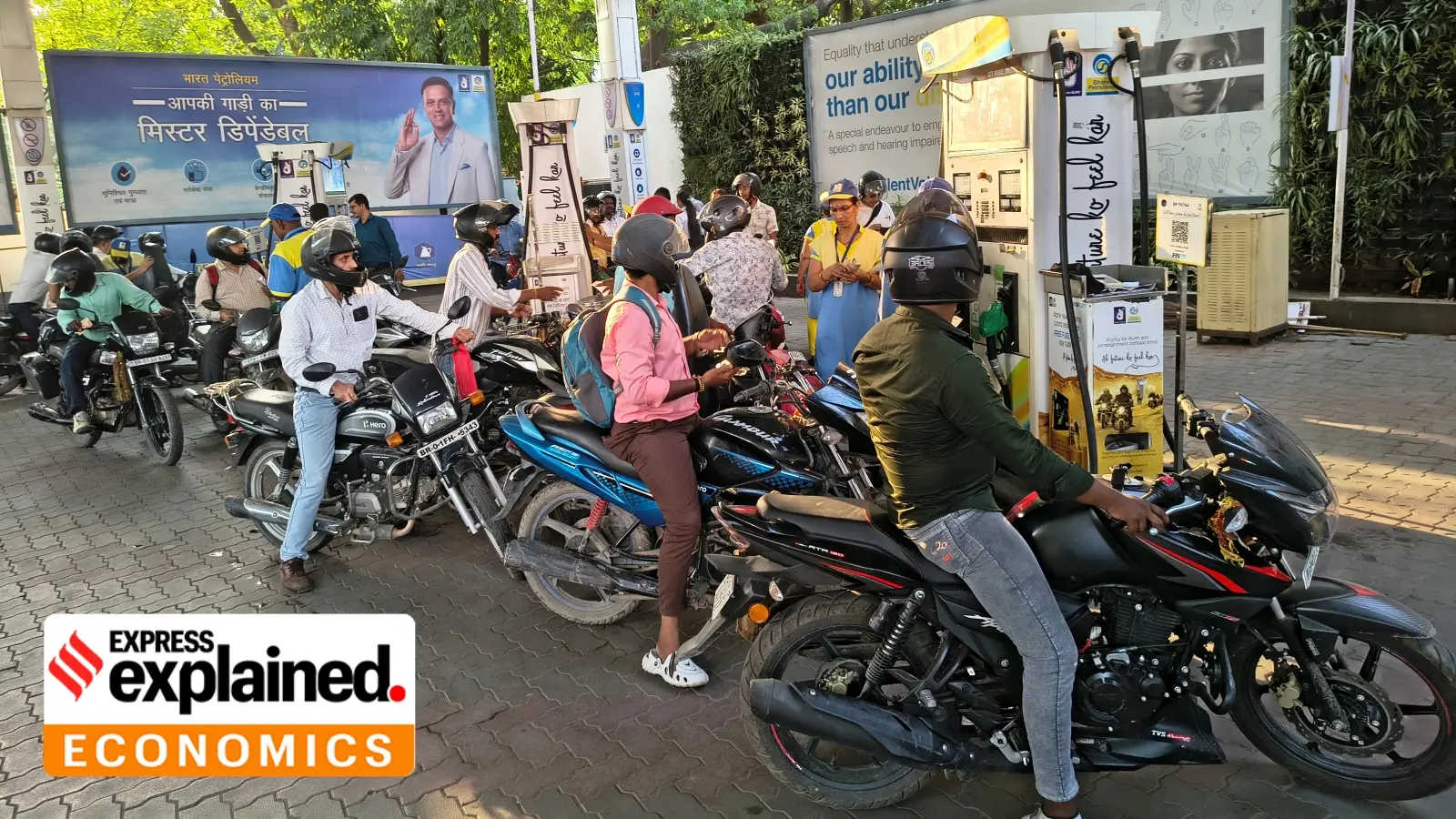
The meeting could shape the direction of relations between the world’s two largest powers across technology, trade and security.

The diversion raises questions about defense supply-chain controls and the handling of components from a frontline military aircraft program.

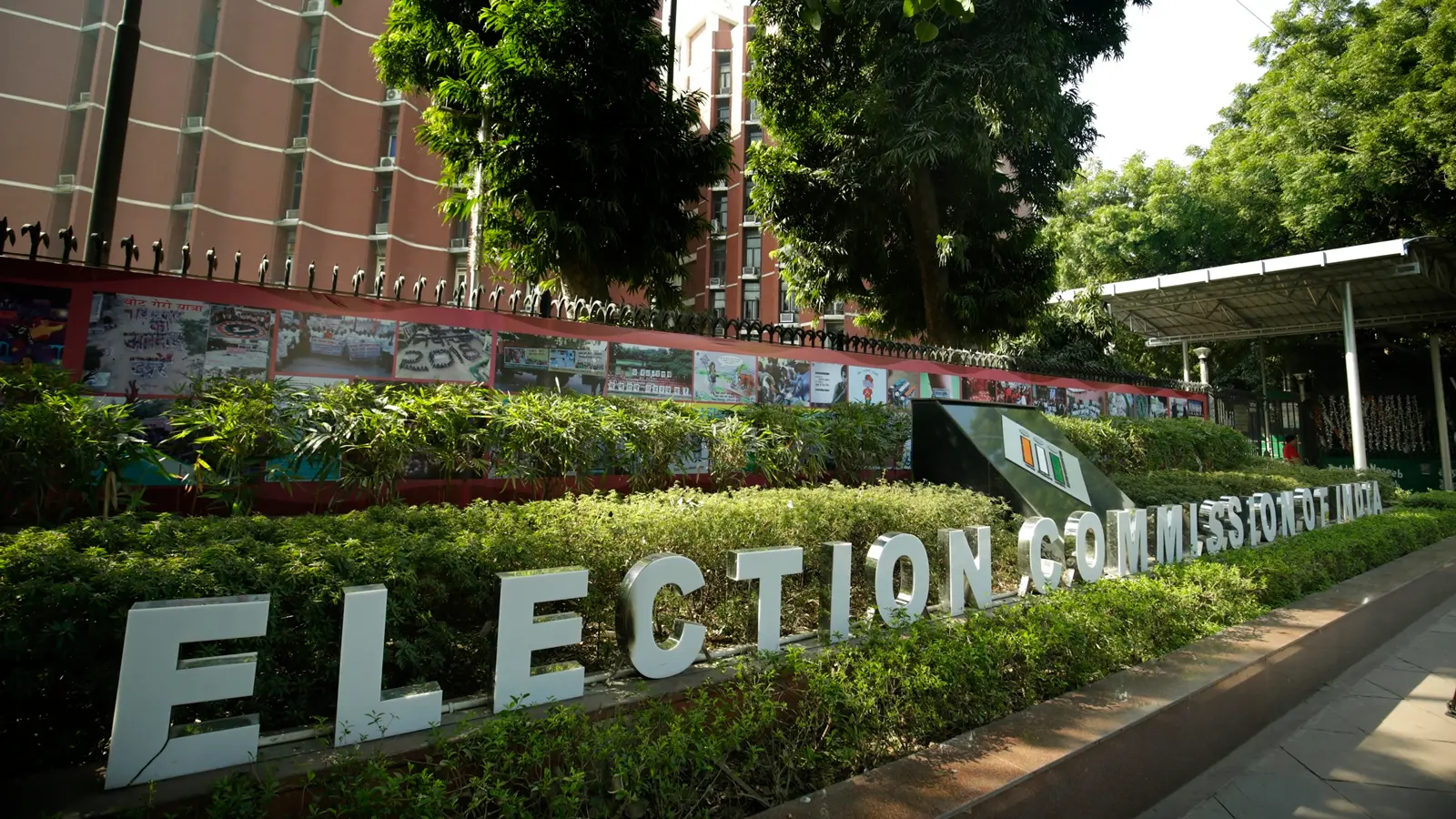
Questions about how voter lists are managed threaten public confidence in the institution responsible for administering elections.
Calls from leading AI executives add momentum to a debate over who sets rules for powerful systems and how international safeguards could work.

The handover addresses a long-running sovereignty dispute and could reshape security and economic cooperation between the neighbors.

The probe puts alleged land and financial irregularities involving public bodies and a minister’s relative under scrutiny.
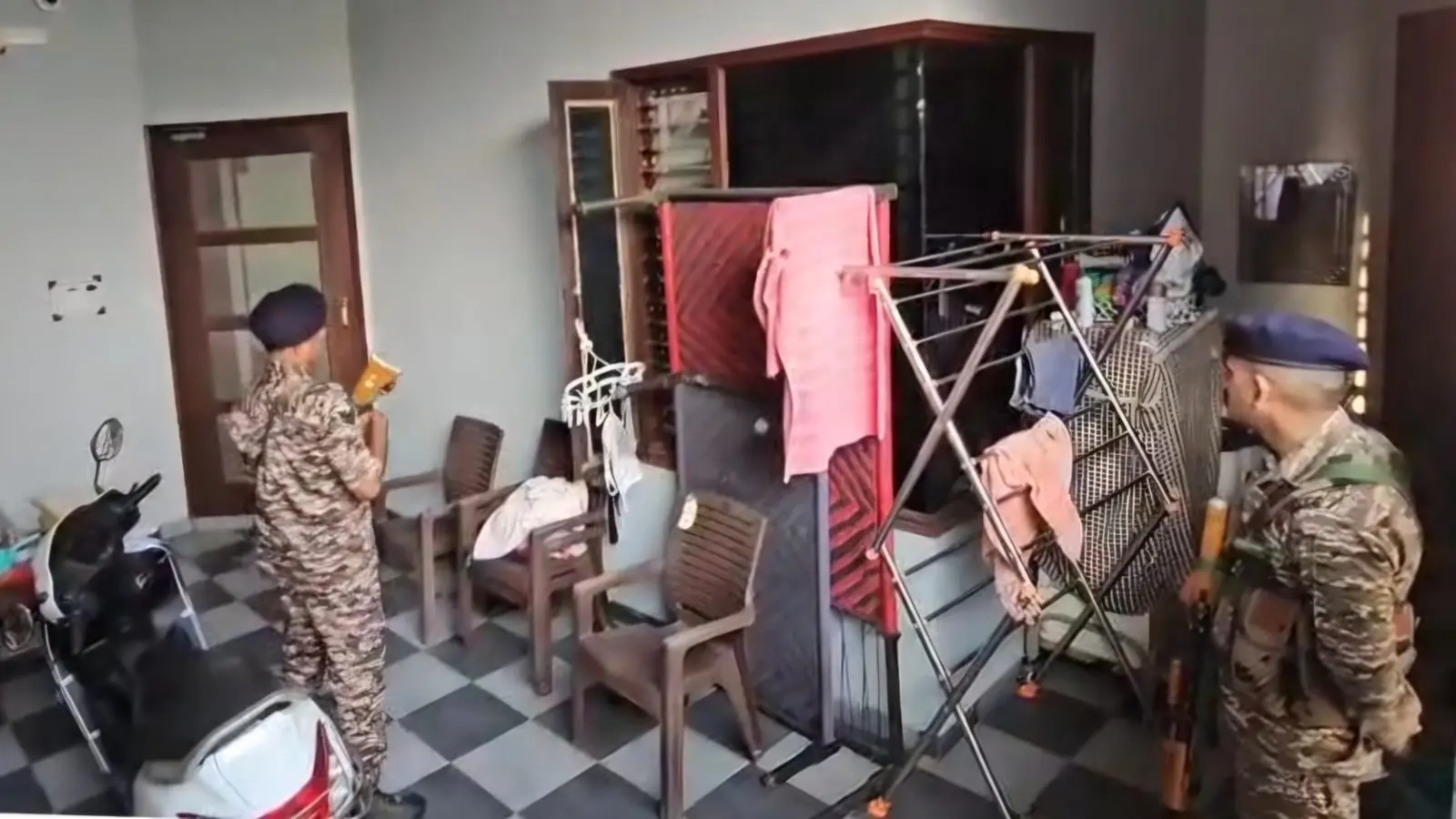
A national benchmark could change how pharmacy licences are allocated, with consequences for drug oversight and access to medicines.

Elevated economic and operational stress risk from aviation shutdown threats and sanctions; heightened escalation risk affecting regional trade and energy routes.
Sustained security and energy-market volatility risk due to Yemen/Houthi strike cycle; potential need for continued defense support and contingency planning.
High policy headline volatility from sanctions posture and press access conflicts; rate and USD volatility likely to remain sensitive to West Asia escalation and energy market moves.
Higher diplomatic/legal and financial uncertainty if US sanctions against ICC materialize; increased risk management costs for institutions linked to international justice.
Energy-cost and sanctions-risk transmission risk remains elevated; diesel/energy tightness can pressure inflation and growth expectations, while AI governance and tech investment narratives may support selective sectors.
Political and security uncertainty may spill into economic sentiment; sanctions/energy-route risks can affect import costs and FX stability.
Domestic political instability and security-policy friction may keep policy uncertainty elevated, affecting investor confidence and defense/industrial planning.
Near-term operational disruption risk from typhoon impacts and travel chaos; geopolitical risk premium may spill into energy and FX markets.
ICC sanctions risk increases diplomatic/legal uncertainty; simultaneously, Iran-linked secondary sanctions and airline shutdown threats raise regional escalation risk. Together they sustain a sanctions headline cycle that governments respond to with further compliance and countermeasures.
G7 pressure and sanctions-relief bargaining frameworks increase incentives for temporary operational restraint. Even without full settlement, parties may test limited pauses to reduce costs and avoid wider escalation.
If Hormuz reopening remains conditional, market participants price persistent route-risk. Even with intermittent tactical de-escalation, the baseline risk premium remains.
Standards and incident-notification mechanisms reduce uncertainty about cross-border AI misuse and escalation triggers. Over time, this lowers probability of severe AI-driven incidents that could spill into geopolitical tensions.
tomorrowread ingests curated news signals, extracts event structure, models counterfactual paths, and assigns confidence scores. Every prediction links back to source evidence in the live feed.
Browse live predictions →338+ curated stories in the past 24 hours from the world.
Headlines, entities, categories, and country tags structured for ranking.
Predictions with horizons and confidence — avg 79.3% in the current window.
Signal brief cross-checks macro scenarios with country-level readouts.

