
Loading
Curated predictions from the live tomorrowread feed — ranked by confidence and impact across 35 countries and 409 domains in the past 24 hours.
A major exchange heist can undermine trust across crypto markets and intensify pressure on platforms to demonstrate that customer assets are secure.

The arrest escalates a high-profile investigation involving a major political figure and a university’s assets.
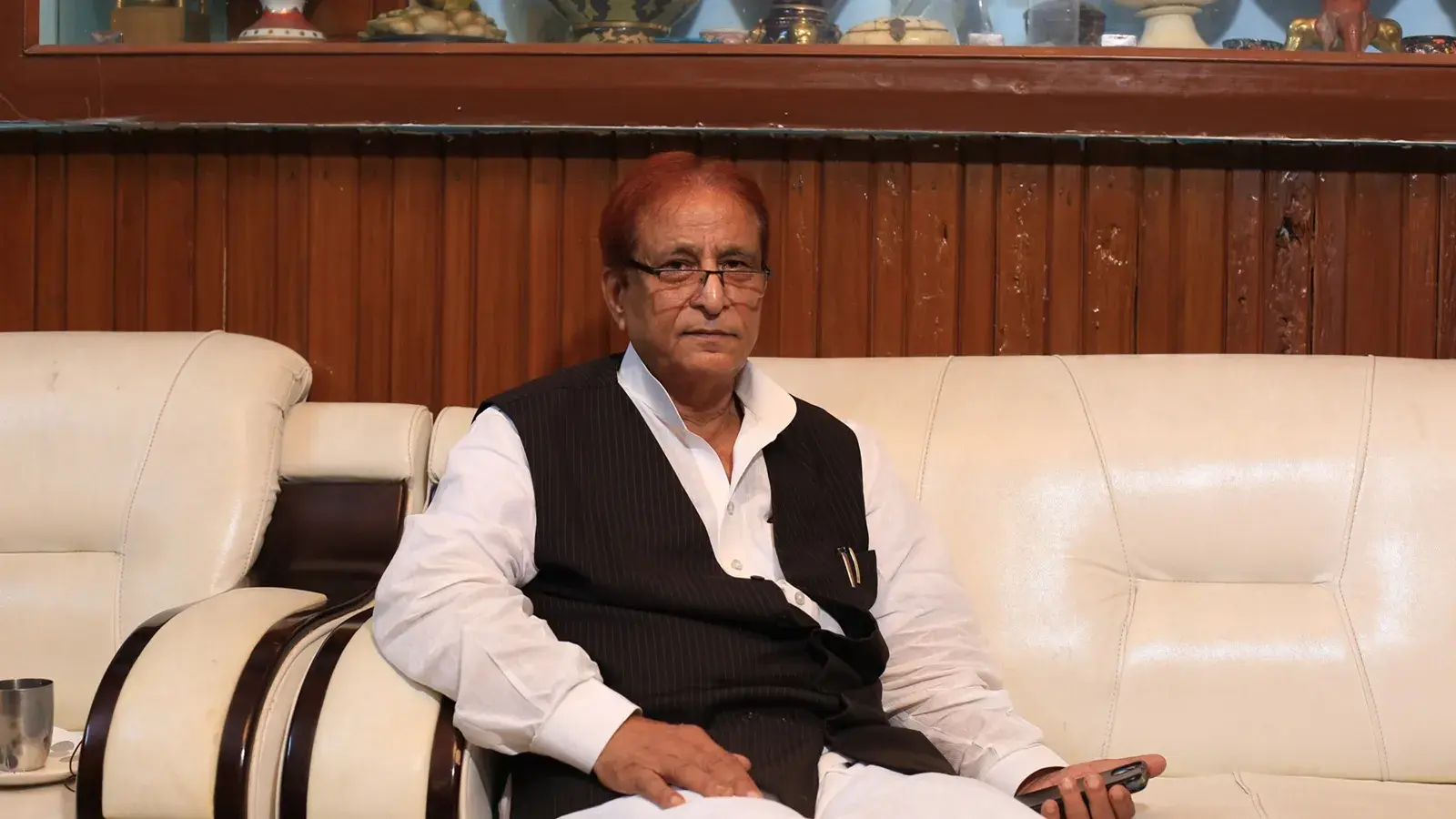
The arrests put the boundary between protest and support for a proscribed group under scrutiny ahead of a court challenge.

The pledge links AI access and critical-mineral supply chains to the Quad’s broader strategic competition and regional diplomacy.
The evacuation offers rare civilian relief from a frontline area while underscoring the danger facing people who remain trapped.

The departure could add an international dimension to Brazil’s investigations and deepen scrutiny of the relationship between Washington and the Bolsonaro family.
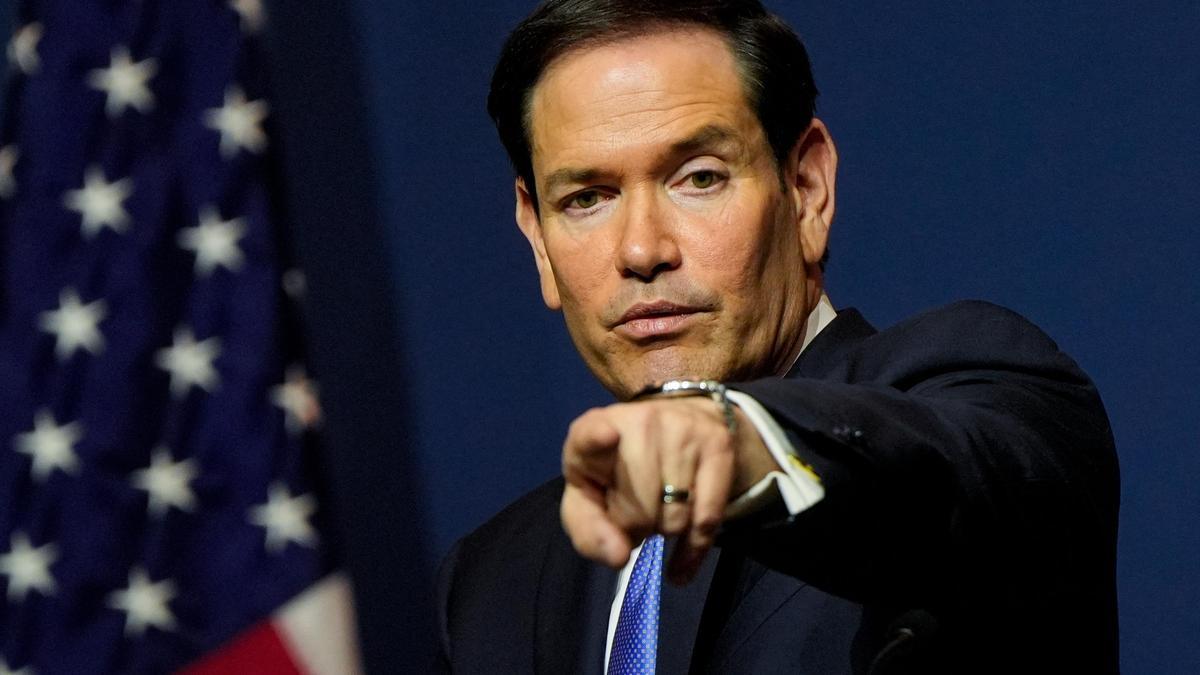
The ruling clarifies the limits on appellate review of bail orders in cases brought under the UAPA.
The scale of the reported breach and the unexplained recovery raise urgent questions about exchange security and customer-asset safeguards.

The warning puts public safety on alert and highlights an unusual instance of US-Russia intelligence coordination amid tensions.

Iran’s near-term outlook remains highly exposed to military escalation, sanctions and maritime access. The proposed Hormuz framework offers a possible de-escalation channel, but reports of tanker incidents and no reported change in Iran’s negotiating position keep the outlook uncertain.
Israel faces coalition-formation uncertainty after an inconclusive election; the dataset also reports continuing violence, displacement and restrictions affecting Palestinians. These conditions support sustained political and humanitarian risk, without establishing the timing of any government formation or de-escalation.
Ukraine is likely to remain under pressure from attacks on infrastructure and demand for air defense, while the approved Patriot sale and a localized humanitarian ceasefire provide limited support. The dataset does not show a broad settlement or immediate delivery of the approved missiles.
The DRC faces a severe continuing health emergency based on the reported Ebola death and infection totals. Local health-system and humanitarian pressures are likely to remain substantial. The dataset gives no evidence of international spread, so wider pandemic risk remains unconfirmed.
Saudi Arabia faces security exposure from reported Houthi attacks or claims and intercepted drones, while higher energy prices and disruption may support some export revenues. The balance between infrastructure security and market access remains uncertain.
India faces a combined exposure to elevated Gulf energy and shipping risk, recent cyclone and flood disruption, and domestic equity weakness. The dataset also reports higher diesel exports, strong services activity, corporate earnings growth and progress in NavIC, which provide offsetting resilience signals. Future effects will depend heavily on Hormuz conditions and weather recovery.
The US will face near-term political and policy uncertainty around the November 3 midterms alongside exposure to the Iran conflict and a pronounced technology-sector repricing. Reported trade-policy disputes and election challenges may prolong uncertainty; the dataset does not establish the eventual election outcome.
China faces continued strategic scrutiny related to reported military purges, drone development, regional naval activity and allegations involving technology espionage. These signals support elevated geopolitical sensitivity but do not, on their own, establish imminent military confrontation.
France faces immediate localized public-order risk from repeated cost-of-living and education protests, prompting a major security deployment. The dataset also reports a negative credit-outlook revision citing political divisions and borrowing costs, creating a separate medium-term fiscal-confidence concern.
If the parties accept the proposed framework, a limited maritime reopening could reduce immediate shipping uncertainty; that would ease, but not eliminate, regional tensions.
Conflicting diplomatic and military signals make partial talks without a durable agreement plausible; continued incidents would sustain pressure on shipping security and regional relations.
A breakdown in negotiations combined with further attacks could prompt retaliation and broaden military activity; this is a risk pathway, not a confirmed future action.
Continued battlefield and infrastructure pressure is consistent with the reported pattern, while the Oleshky operation suggests localized, temporary humanitarian coordination may recur without establishing a broader settlement.
tomorrowread ingests curated news signals, extracts event structure, models counterfactual paths, and assigns confidence scores. Every prediction links back to source evidence in the live feed.
Browse live predictions →297+ curated stories in the past 24 hours from the world.
Headlines, entities, categories, and country tags structured for ranking.
Predictions with horizons and confidence — avg 74.4% in the current window.
Signal brief cross-checks macro scenarios with country-level readouts.

