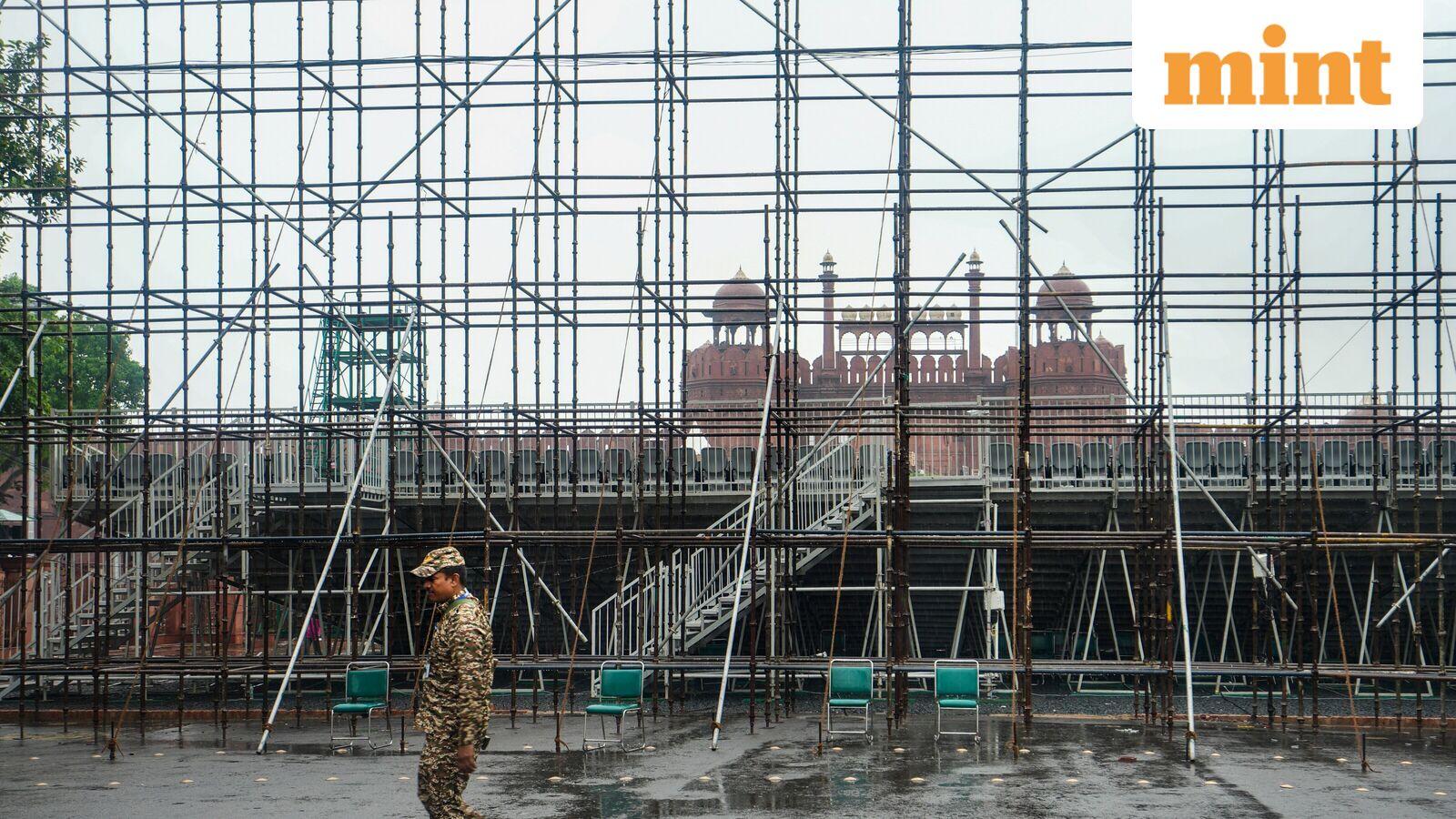
Delhi Police will keep expanding the Red Fort security perimeter through August 15, and the tech-heavy setup will be judged on whether it can operate cleanly in real time.
The scale of the operation shows how heavily Indian authorities are leaning on surveillance and layered security for major national events. It also gives a concrete look at the technology stack being used in real time.
AI reasoning
The scale of the operation shows how heavily Indian authorities are leaning on surveillance and layered security for major national events. It also gives a concrete look at the technology stack being used in real time.
Curated summary
Delhi Police has rolled out a large security plan for the Red Fort ahead of Independence Day on August 15. The deployment will include 15,000 to 20,000 personnel from police, paramilitary, NSG, NDRF, commandos, snipers and quick reaction teams, backed by more than 1,000 CCTV cameras plus facial recognition, automatic number plate recognition and intrusion detection systems. Officials say the layered setup is meant to prevent threats and handle emergencies.
Supporting evidence
 YouTube·Times Now Navbharat
Breaking News : 15th August 2026 के मद्देनजर Lal Quila पर High Security | Delhi Police | Alert News
651 engagements1h ago YouTube·Aaj Tak
Delhi Alert: 15th August से पहले Delhi में अलर्ट, Red Fort के पास सुरक्षा सख्त | Independence Day
461 engagements1h ago YouTube·Times Now Navbharat
Independence Day Security : Red Fort की सुरक्षा में टेक्नोलॉजी का जलवा | Hindi News | Top News |
234 engagements1h ago YouTube·News18 J&K
Red Fort on High Alert Ahead of Independence Day | 1,000 CCTV Cameras, Anti-Drone System & Snipers
8 engagements1h ago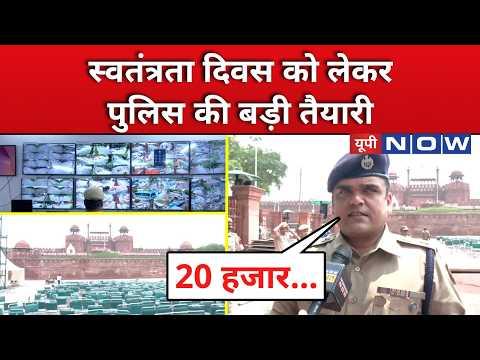 YouTube·UP Now
Independence Day Security: Tech takes center stage at Red Fort | Hindi News | Top News |
2 engagements1h ago YouTube·News18 India
15 August से पहले Red Fort पर अभेद सुरक्षा! Delhi High Alert, चप्पे-चप्पे पर नजर | Independence Day
1h ago YouTube·Aaj Tak
1000 से ज्यादा CCTV 15 हजार से ज्यादा जवान, देखिए कैसी होगी Red Fort की सुरक्षा | Independence Day
1h ago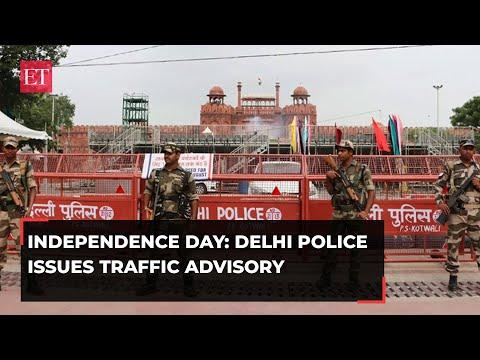 YouTube·The Economic Times
Independence Day: Delhi Police releases traffic advisory for dress rehearsal; security tightened
1h ago
Source news
Delhi turns the Red Fort into a surveillance fortress for Independence Day
Police say 15,000 to 20,000 personnel and more than 1,000 cameras will ring the venue ahead of August 15.