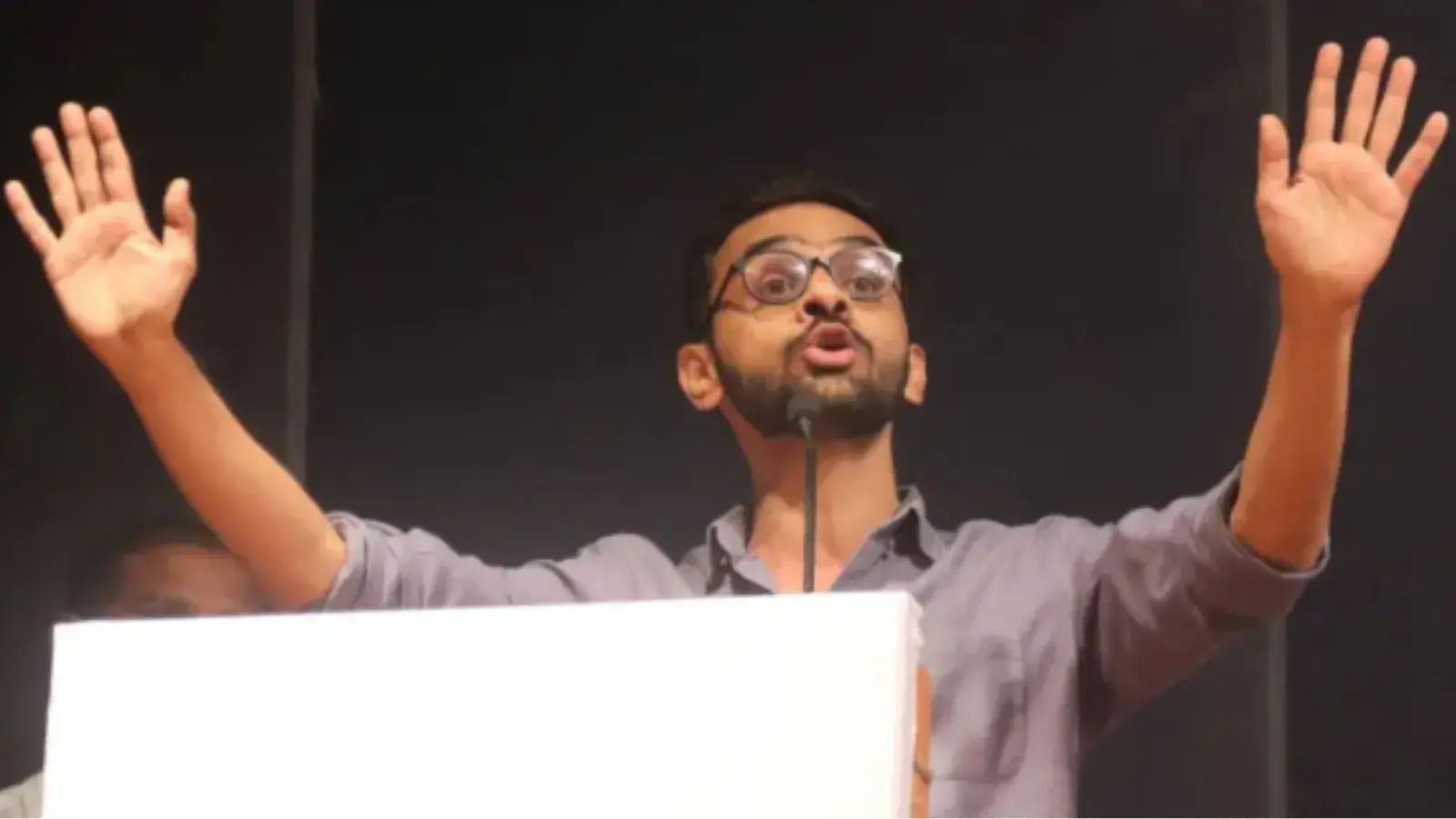
The cancellation will trigger another round of campus-politics backlash, and JNU will likely face pressure to justify the booking decision before the August 10 event window closes.
JNU remains a national symbol in India’s culture-war politics, so even a scheduling dispute can become a larger debate about dissent and institutional control. The timing and the social-media tagging guarantee the story will travel beyond campus.
AI reasoning
JNU remains a national symbol in India’s culture-war politics, so even a scheduling dispute can become a larger debate about dissent and institutional control. The timing and the social-media tagging guarantee the story will travel beyond campus.
Curated summary
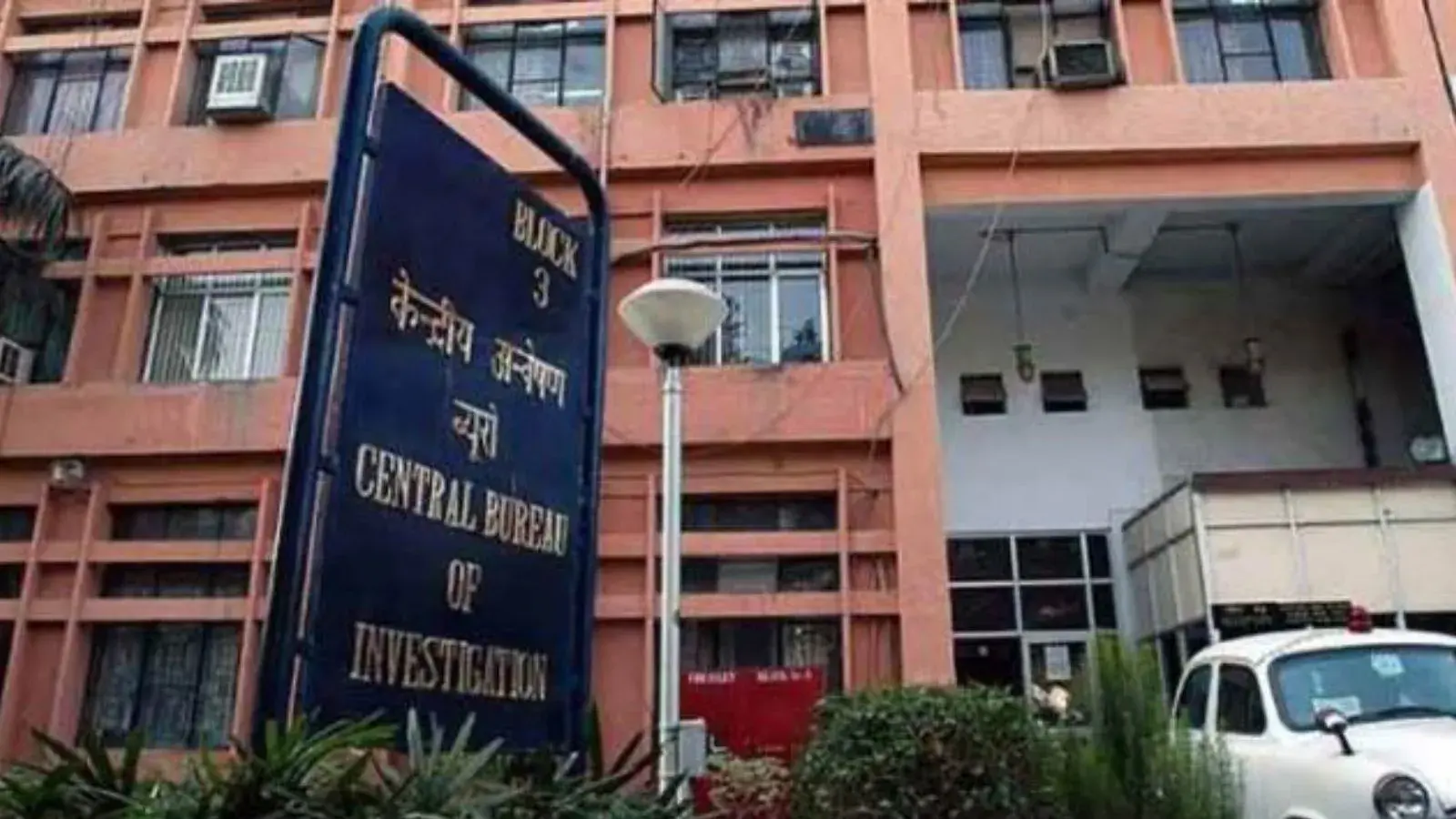
JNU cancelled an auditorium booking for a discussion on Umar Khalid’s book, saying the organizers had not disclosed the full facts about the program. The School of Social Sciences informed organizers on August 9, one day before the event planned for August 10, and the university also posted on X tagging Prime Minister Narendra Modi, Amit Shah and Education Minister Dharmendra Pradhan. The move is already being read as another campus free-speech fight.
Supporting evidence
 YouTube·India Today
JNU Cancels Venue Booking For Event On Umar Khalid's Book Citing Lack Of Transparency
623 engagements1h ago YouTube·News Nation
JNU Student Protest: JNU में लगे देशविरोधी नारे! PM Modi | Amit Shah | Umar Khalid| Sharjeel Imam
504 engagements1h ago YouTube·CNBC Awaaz.
JNU Controversy | JNU कैंपस फिर विवादों में, PM Modi और Amit Shah के खिलाफ लगे नारे!
302 engagements1h ago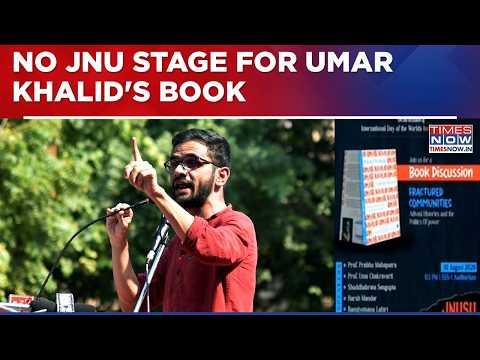 YouTube·Times Now
JNU Cancels Discussion Event On Umar Khalid's Book, Cites 'Non-Disclosure Of Full Facts' | WATCH
152 engagements1h ago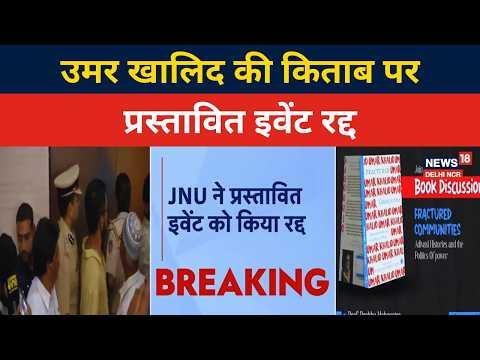 YouTube·News18 Delhi NCR
Breaking News | JNU में उमर खालिद की किताब पर प्रस्तावित इवेंट रद्द | Hindi News | News18 Delhi NCR
7 engagements1h ago YouTube·The Tribune
Umar Khalid verdict: JNU students raise controversial slogans against PM Modi, Shah
1h ago YouTube·News Nation
JNU Students Protest Live: PM Modi-Amit Shah के खिलाफ लगे नारे ? Umar Khalid| JNU Slogan| BJP
1h ago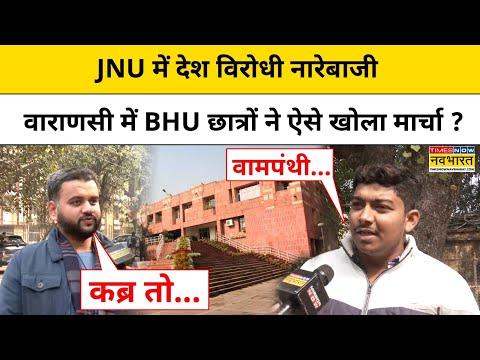 YouTube·Times Now Navbharat
JNU में PM Modi–Amit Shah के खिलाफ नारे, BHU छात्रों ने दे डाली ये चेतावनी? Hindi News |Umar Khalid
1h ago
Source news
JNU cancels Umar Khalid book discussion after last-minute booking dispute
The university pulled the auditorium booking a day before the event and then tagged top ministers on X, turning a campus procedure issue into a political flashpoint.