The Pentagon will face louder pressure to accelerate Virginia-class output before the 2030 submarine gap widens.
Submarine numbers matter for deterrence, surveillance and undersea warfare. A sustained shortfall would affect US naval posture in the Indo-Pacific and beyond, while also exposing industrial bottlenecks in American shipbuilding.
AI reasoning
Submarine numbers matter for deterrence, surveillance and undersea warfare. A sustained shortfall would affect US naval posture in the Indo-Pacific and beyond, while also exposing industrial bottlenecks in American shipbuilding.
Curated summary
The US Navy retired USS San Juan at Keyport, Washington, and the article says the service needs 66 attack submarines but may fall to 46 or 47 by 2030. The problem is structural: older boats are leaving service faster than Virginia-class replacements arrive, while shipyards and nuclear-trained workers are also needed for Columbia-class submarines. The gap is now a force-planning issue, not just a ship-count issue.
Supporting evidence
 YouTube·Observer Research Foundation
How Melting Arctic Ice is Changing Asia’s Monsoons | The Arctic Circle India Forum
715 engagements6h ago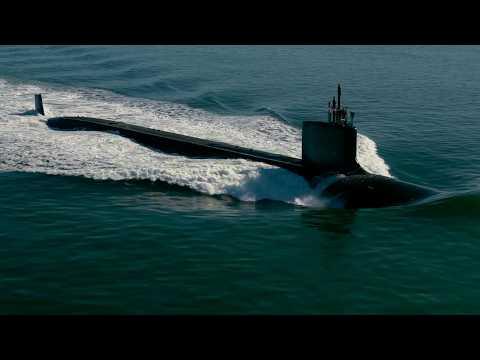 YouTube·STEALTH
U.S. Navy Secures $42.1B Deal for Nine Virginia-Class Attack Submarines with Unmatched Lethality
471 engagements2h ago YouTube·Treasure Of World 🌎
Top 7 Submarine Superpowers in 2026: Who Rules the Deep?
52 engagements2h ago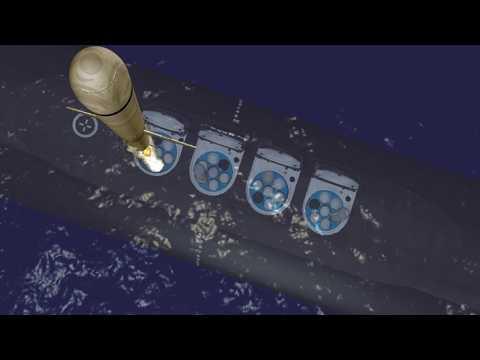 YouTube·STEALTH
U.S. Navy Pursues Submarine-Launched Anti-Air Missiles
32 engagements2h ago YouTube·Rajindera Law Academy
"Why India is Entering the Arctic Race: Polar Research, Melting Ice & Global Power Play!"
16 engagements6h ago YouTube·Sandboxx
America’s Attack Submarines Are Becoming Something Else
2h ago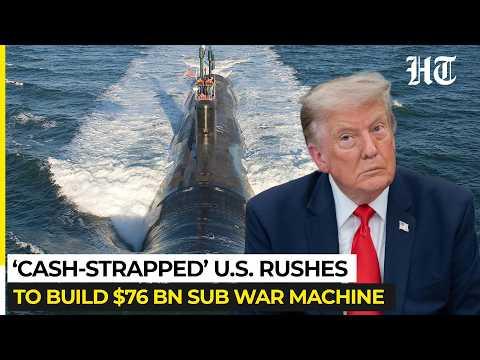 YouTube·Hindustan Times
US Navy Orders 14 Nuclear Subs In $76 Bn Fleet Expansion; Can Pentagon Afford It After Iran War?
2h ago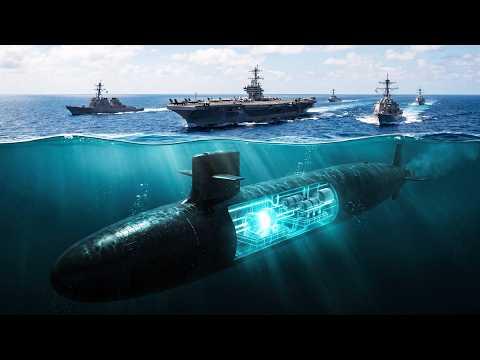 YouTube·Navy Decoded
Why an Entire Fleet Can't Find One US Navy Submarine
2h ago
Source news
US Navy’s attack submarine gap could widen sharply by 2030
The fleet is shrinking faster than Virginia-class boats can replace retiring submarines, leaving a readiness problem the Pentagon can’t ignore.