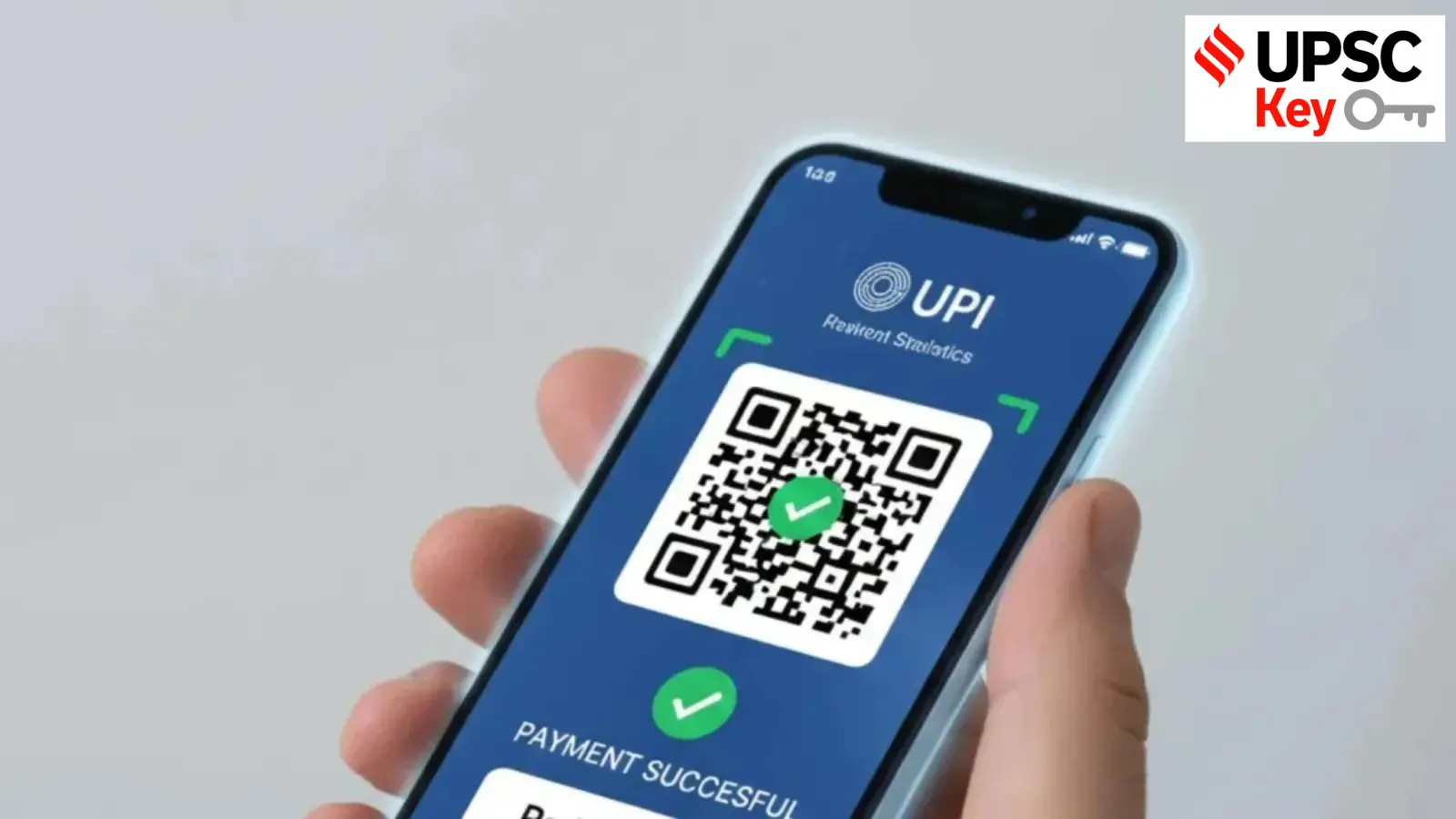
The Finance Ministry will keep repeating that UPI P2P transfers stay free while refining the threshold and scope for any merchant MDR, with banks and payment firms pushing for clarity in the near term.
UPI pricing is a core policy issue because it affects consumer behavior, merchant margins and the economics of India’s digital payments stack. Any shift from free transfers to selective merchant charges would be politically sensitive and commercially significant.
AI reasoning
UPI pricing is a core policy issue because it affects consumer behavior, merchant margins and the economics of India’s digital payments stack. Any shift from free transfers to selective merchant charges would be politically sensitive and commercially significant.
Curated summary
The Finance Ministry said UPI person-to-person payments will remain free, even as debate continues over whether merchant transactions could eventually attract MDR. The clarification follows the Taxation and Other Laws (Amendment) Bill, 2026, which changed the Payment and Settlement Systems Act and triggered concern over possible charges on UPI and RuPay debit card payments. The government says any future fee would be limited, threshold-based and below card MDR levels.
Supporting evidence
 YouTube·SRIRAM's IAS
Census 2027🔥 Big Changes in India’s First Digital Census | UPSC 2026 #Census2027 #DigitalCensus
507 engagements2h ago YouTube·Upanishad IAS
DIGITAL CENSUS 2027 New Changes & Aadhaar LINK ? Caste Data? | Prathyush Tiwari
255 engagements2h ago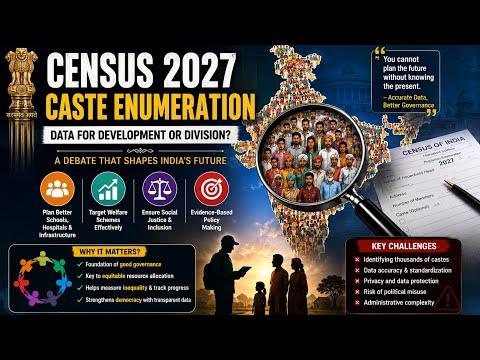 YouTube·Learn with Logesh (LwL)
Census 2027 & Caste Census Explained | Complete Analysis | UPSC 2027
75 engagements2h ago YouTube·The Hindu
Pay wall | On a charge on UPI transactions | The Hindu Editorial
2h ago YouTube·StudyIQ IAS
Why is Trump Against India's UPI? | How UPI Threatens Global Payments | StudyIQ IAS
2h ago YouTube·India Today
Government Clarifies UPI Charges Rumours | Person-To-Person Payments Free | Proposed Merchant Rate
2h ago YouTube·Drishti IAS
Will UPI Remain Free? | New Bill, MDR Charges & What It Means for You | Drishti IAS
2h ago YouTube·StudyIQ IAS: English
Is Free UPI Finally Ending? | Will India Return to Cash? | Shubham Sagar | StudyIQ IAS English
2h ago
Source news
UPI stays free for users, but merchant fees are still on the table
The Finance Ministry is trying to calm fee fears after Parliament changed the payments law, while leaving room for limited MDR on some merchant transactions.