West Bengal will try to convert the Tata talks into a broader industrial-policy reset, but the Singur-era compensation issue will remain the main political obstacle in the short term.
This is a politically loaded investment story with real industrial implications. If the talks advance, they could mark a reset in Bengal’s relationship with one of India’s most important conglomerates.
AI reasoning
This is a politically loaded investment story with real industrial implications. If the talks advance, they could mark a reset in Bengal’s relationship with one of India’s most important conglomerates.
Curated summary
West Bengal is in talks with the Tata group for fresh investment, including expansion of current operations and possible new facilities. The discussion comes years after Tata Motors left Singur in 2008, and the state is also considering how to handle the compensation award linked to that exit. In parallel, the government is reviewing old industrial land and drafting new industrial and land policies.
Supporting evidence
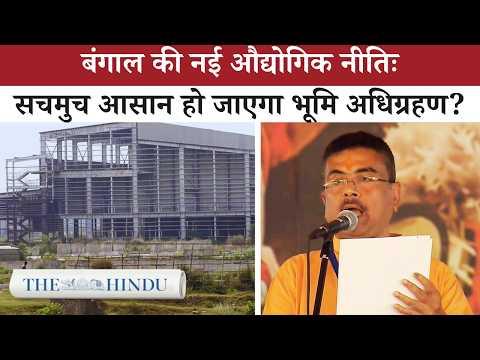 YouTube·The Hindu
West Bengal Industrialisation: क्या नई Land Policy बदल पाएगी बंगाल की तस्वीर?
784 engagements59m ago YouTube·NewsX Live
Tata-Like Investment In Singur? Bengal Budget May Bring Big Surprise | NewsX
427 engagements59m ago YouTube·ET Now Swadesh
Preparing to make Eastern India the next growth hub: West Bengal unveils a major industrial vision
354 engagements59m ago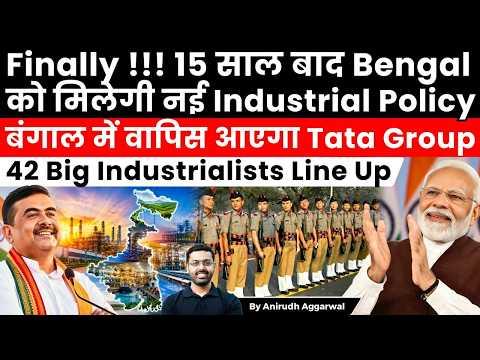 YouTube·Careerwill IAS and Careerwill SSC
Finally! Bengal to get new Industrial Policy. Tata to Return to Bengal. 42 Industrialists Line Up.
59m ago YouTube·CNN-News18
BJP leader Says Efforts Are Underway To Bring The Tata Group Back To West Bengal | News18
59m ago YouTube·NewsX Live
West Bengal Budget 2026: ₹5,000 Cr Industry Push, Jobs, MSMEs & Siliguri Hub Plan | NewsX
59m ago YouTube·News18 Bangla
Birla in Bengal | বাংলায় ফিরছে বিড়লা গোষ্ঠী! ইমামি অ্যাগ্রোটেকের ৭৫০ কোটির বড় বিনিয়োগ| Bangla News
59m ago YouTube·News18 Bangla
Tata Meeting in Mumbai | সিঙ্গুর ইস্যুতে টাটা-রাজ্য বৈঠক! ৭৬৫ কোটি ক্ষতিপূরণ নিয়ে বড় আলোচনা |News
59m ago
Source news
West Bengal reopens the Tata relationship with fresh investment talks
The state is discussing expansion and new facilities with Tata group years after the Singur exit, while also weighing the compensation award tied to that fallout.