The US House will become the next battleground for the Russia oil sanctions bill, and Indian refiners will start signaling contingency plans if the tariff threat survives committee and floor negotiations.
This is the clearest market-moving story in the window: it links Washington legislation directly to India’s crude supply mix and global oil pricing. The risk is not abstract; it sits at the intersection of sanctions policy, energy security and refinery economics.
AI reasoning
This is the clearest market-moving story in the window: it links Washington legislation directly to India’s crude supply mix and global oil pricing. The risk is not abstract; it sits at the intersection of sanctions policy, energy security and refinery economics.
Curated summary
A US Senate bill has advanced that would threaten tariffs of up to 100 percent on buyers of Russian oil and gas. Kpler says the measure could tighten global crude markets and raise risks for India’s energy security, even if Russian flows to India and China do not change immediately. The bill still needs House approval and further action, but the scale of India’s dependence on Russian crude makes the issue immediate for refiners and policymakers.
Supporting evidence
 YouTube·NewsX Live
US Russia Sanctions Bill: India Faces Tariff Risk Over Russian Oil Imports | NewsX
789 engagements4h ago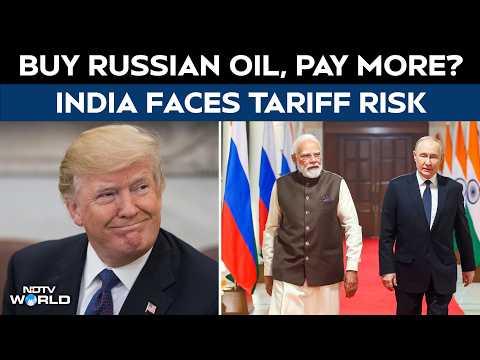 YouTube·NDTV World
New US Tariffs On India? US Senate Passes Russia Sanctions Bill, New Delhi Could Face 100% Tariffs
266 engagements4h ago YouTube·The Hindu businessline
India faces 100% tariff threat as US Senate clears Russia sanctions bill
265 engagements4h ago YouTube·ANI News
US Senate clears Russia Sanctions Bill,paving way for 100% tariff on India over Russian oil purchase
4h ago YouTube·Times Now
US Senate Clears Russia Sanctions Bill: 100% Tariff Threat Looms Over India, China? | Top Details
4h ago YouTube·Firstpost
US Sanctions Bill Targets Russia; What It Could Mean For India And China | FP Video
4h ago YouTube·NDTV Profit
India’s Russian Oil Imports Under Threat? US Senate Passes Russia Sanctions Bill
4h ago YouTube·India Today
US Sanctions Bill Targets Russian Oil Buyers | India & China Face Up To 100% Tariff Threat
4h ago
Source news
US sanctions bill threatens to squeeze Russian oil flows and India’s energy security
A Senate move to punish Russia with tariffs of up to 100% on buyers of its oil and gas could tighten global crude markets before it even reaches the House.