Chillicothe officials will demand more detail on the proposed campus before any meaningful local approval, and the Ohio petition drive to limit new data centers will gain momentum if the project is framed as a water-and-power burden.
This is a live AI-infrastructure fight, not a generic tech announcement. It captures the political and environmental backlash now shadowing data-center expansion across the US.
AI reasoning
This is a live AI-infrastructure fight, not a generic tech announcement. It captures the political and environmental backlash now shadowing data-center expansion across the US.
Curated summary
Officials in Chillicothe, Ohio, are confronting concerns over a proposed data center at the former Pixelle Specialty Solutions paper mill site. The project, tied to U.S. Paper Mill and Aligned, is described as a $1.5 billion investment aimed at advanced manufacturing, aerospace innovation, medical device production, R&D and next-generation computing technologies. Local resistance is focused on water and electricity use, pollution and the broader data-center footprint, while a statewide petition effort to limit new data centers continues.
Supporting evidence
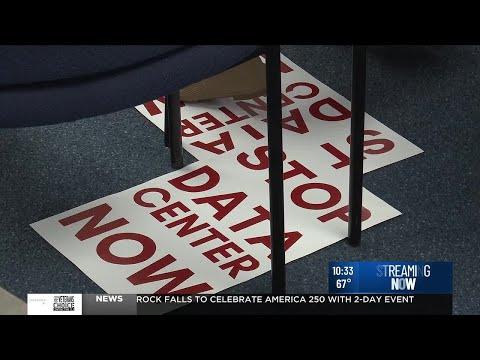 YouTube·KWQC News
Clinton residents voice concerns on possible data center coming to town
140 engagements4h ago YouTube·WBRC 6 News
Neighbors in Fairfield discuss possible data center
102 engagements4h ago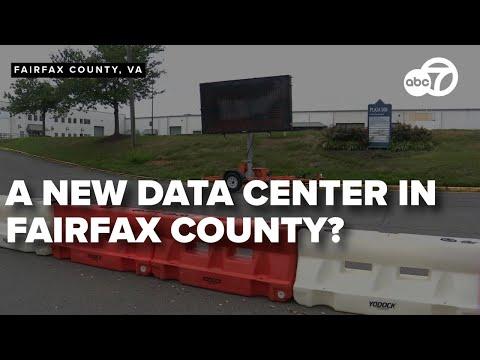 YouTube·ABC 7 News - WJLA
Data center developers are eyeing a potential location in one of DC's closest suburbs
4h ago
Source news
Chillicothe’s proposed $1.5 billion AI campus faces local resistance
A former paper mill site in Ohio is being pitched as a high-performance computing campus with advanced AMD hardware, but residents and officials are already pushing back over data-center concerns.