
TP-Link will market the Roam 7 as a remote-work and travel-security device, and competitors will likely respond with more Wi‑Fi 7 travel routers that emphasize VPN and failover features.
This is a practical security product in a world where public Wi‑Fi remains a weak point. It is also a reminder that the travel-router category is getting more sophisticated as remote work persists.
AI reasoning
This is a practical security product in a world where public Wi‑Fi remains a weak point. It is also a reminder that the travel-router category is getting more sophisticated as remote work persists.
Curated summary
The TP-Link Roam 7 is a compact travel router that can connect to hotel Ethernet, public Wi‑Fi, tethered phones or USB modems and turn that connection into a private network. It supports Wi‑Fi 7, VPNs and failover, and the review says it handled a café Wi‑Fi drop by switching to a stronger SIM connection. The device is already on sale.
Supporting evidence
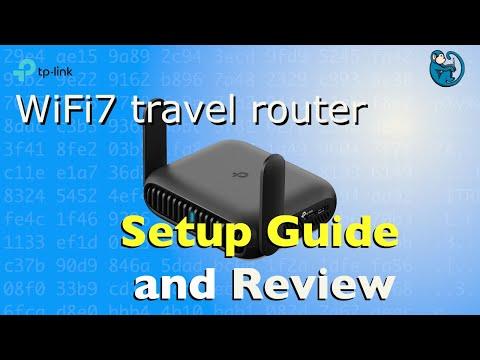 YouTube·BlueMonkey 4n6
tp-link BE3600 Wi-Fi 7 Travel Router - Product setup guide & Review
6h ago YouTube·NASCompares
TP-Link TL-WR3602BE $99 WiFi 7 Travel Router Review - Is It Worth It?
6h ago YouTube·Fenchel & Janisch
Staying connected while traveling with the TP-Link Roam 7 Wi-Fi Travel Router
6h ago YouTube·CKid
Best Travel Router 2026 – TP-Link Roam 7 Wi-Fi 7: The Travel Hack Everyone Needs!
6h ago YouTube·NoodleNick
The Best Travel Router - TP-Link Roam 7 BE3600 Review
6h ago YouTube·Steve DOES
TP-Link’s First Wi-Fi 7 Travel Router Review - Road Trip Tested!
6h ago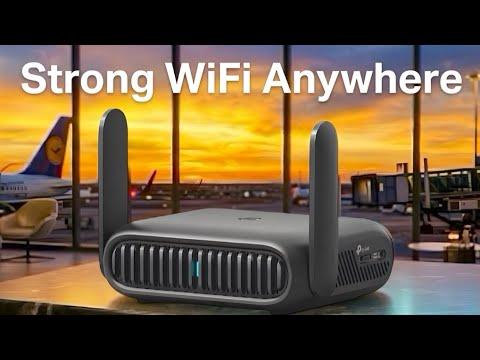 YouTube·Chase Brogan
Strong & Secure WiFi Anywhere… This Actually Works | TP-Link Roam 7 Portable Travel Router
6h ago YouTube·Rimzler
How can a Travel Router Pay for Itself? | TP-Link Roam 7
6h ago
Source news
A new travel router turns public Wi‑Fi into a private network
TP-Link’s Roam 7 is a compact Wi‑Fi 7 travel router with failover, VPN support and enough control to appeal to frequent travelers and remote workers.