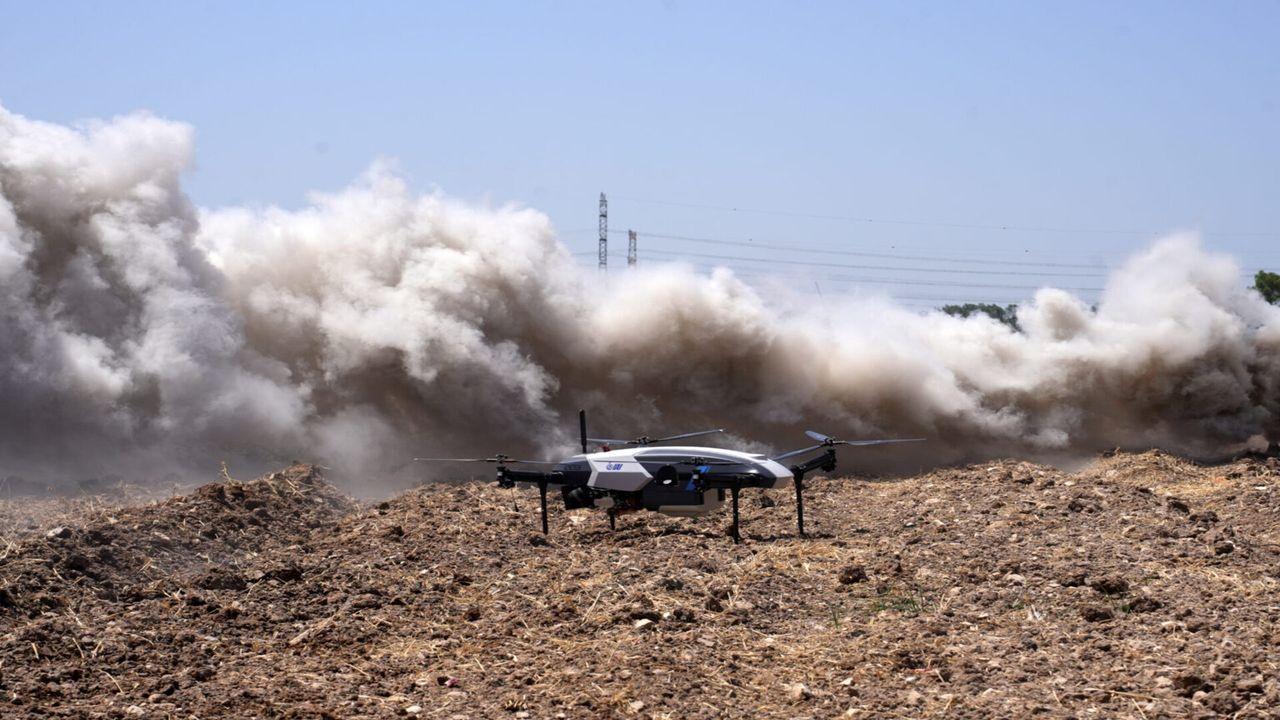
Israel will continue testing the APUS 25 wildfire system with Fire and Rescue Authority personnel, and any broader rollout will likely be framed as a later-season capability rather than a fix for the current fire wave.
With Europe already battling severe wildfire losses, this is a practical example of autonomous sensing moving into emergency response. If the trials hold up, the system could become a model for faster wildfire detection elsewhere.
AI reasoning
With Europe already battling severe wildfire losses, this is a practical example of autonomous sensing moving into emergency response. If the trials hold up, the system could become a model for faster wildfire detection elsewhere.
Curated summary
Israel has tested a new drone designed to detect wildfires within minutes of ignition. Built around IAI’s APUS 25 aircraft, the system uses onboard cameras, infrared sensors and software trained to spot heat signatures, then sends location data directly to the Fire and Rescue Authority. The aircraft can fly for up to five hours and is still undergoing further testing.
Supporting evidence
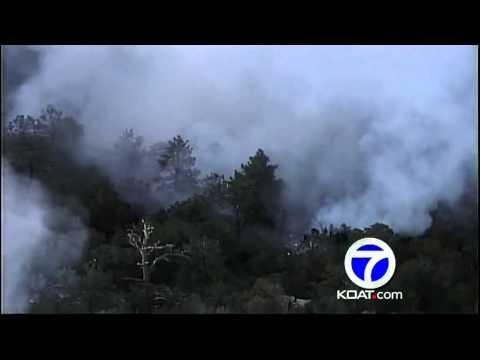 YouTube·KOAT
Wildfire Drones
847 engagements6h ago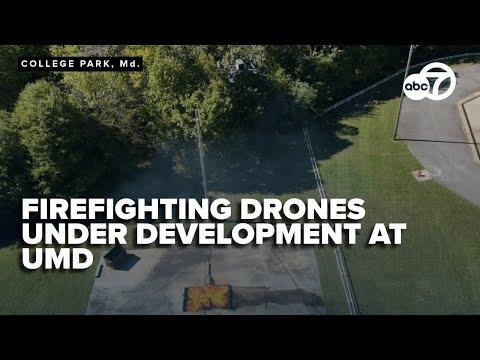 YouTube·ABC 7 News - WJLA
New drone tech may revolutionize early wildfire detection
715 engagements6h ago YouTube·Tech Universe
How Autonomous AI Drone Swarms Fight Mass Wildfires 🌲🔥
9 engagements6h ago YouTube·DW Shift
Can Technology Help Prevent Wildfires?
6h ago YouTube·WiDS Worldwide
Catching Fire: Autonomous Drones to Detect and Track Wildfires | Mathworks
6h ago
Source news
Wildfire drones are getting faster at spotting blazes before they spread
Israel has tested an autonomous drone system built with IAI and Technion support that can search for new fires using thermal and optical sensors and send coordinates to emergency command centers.